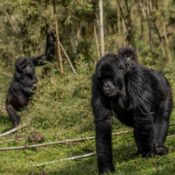
The True Cost of Gorilla Tourism And Why It Matters
The True Cost of Gorilla Tourism — And Why It Matters
Understanding the Investment That Protects One of the World’s Rarest Species
Gorilla tourism is one of Africa’s most extraordinary wildlife experiences — but it is also one of the most expensive. Many travelers wonder why gorilla permits cost hundreds or even thousands of dollars. Is it worth it? Where does the money go? And what impact does it have on conservation and local communities?
The truth is this: the cost of gorilla tourism is not just about the trek — it’s about protecting a species that almost disappeared forever.
This article reveals what you really pay for, why it matters, and how gorilla tourism is reshaping conservation worldwide.
1. Gorilla Tourism: A High Price for a Precious Species
Mountain gorillas are critically endangered. There are just over 1,000 remaining on the planet — all living in the forests of Rwanda, Uganda, and DRC.
Protecting them requires:
-
Full-time armed ranger patrols
-
Veterinary interventions
-
Habitat restoration
-
Community support programs
-
Anti-poaching operations
This type of intensive, daily protection is expensive.
The cost of a gorilla permit reflects the true cost of saving an entire species.
2. Where Permit Money Really Goes
Many travelers think the permit fee is only for access to the park, but it fuels an entire conservation system.
A gorilla permit supports:
✔ Ranger salaries & daily patrols
Rangers risk their lives protecting gorillas from poachers and habitat destruction.
✔ Gorilla health & veterinary care
The famous Gorilla Doctors monitor and treat injured or sick gorillas.
✔ Anti-poaching units & technology
Drones, GPS tracking, and sniffer dogs help protect the gorilla families.
✔ Community development
Up to 10% of permit fees are shared directly with local communities for:
-
schools
-
clinics
-
clean water
-
roads
-
tourism income projects
✔ Habitat restoration & research
Forests are protected, expanded, and studied to ensure long-term survival.
When you pay for a gorilla trek, you are funding conservation — not just a tour.
3. Why Gorilla Tourism Is Purposefully Limited
Gorillas are incredibly sensitive to human presence.
To protect them, tourism is highly restricted:
-
Only 8 visitors are allowed per gorilla family per day
-
Only 1 hour of viewing time
-
Strict health and distance rules
-
Permits are capped to avoid stress and disease risk
This means gorilla tourism cannot be mass tourism.
The price must remain high to support conservation while limiting human impact.
4. The Real Value: What You Receive as a Traveler
Beyond conservation, the experience itself is unlike anything else.
You gain:
-
A guided trek into untouched rainforest
-
Safe, intimate viewing of gorillas just meters away
-
Expert rangers and trackers
-
A once-in-a-lifetime wildlife encounter
-
A direct contribution to a conservation success story
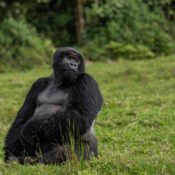
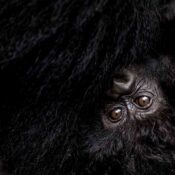
The emotional impact of meeting a silverback or watching a mother cradle her infant is something travelers describe as life-changing.
5. How Gorilla Tourism Transforms Local Communities
In the past, communities near gorilla parks often relied on forest resources for survival.
Today, gorilla tourism has become a powerful economic engine.
It provides:
-
Jobs for porters, guides, rangers, lodge staff
-
Income for local craft markets
-
Revenue for community projects
-
Incentives to protect rather than hunt wildlife
When communities benefit from tourism, animals become worth more alive than poached.
6. Why the Cost Matters for the Future
Gorilla tourism has helped mountain gorilla populations increase — one of the few wildlife conservation success stories in the world.
Without tourism revenue:
-
Patrols would stop
-
Anti-poaching operations would collapse
-
Veterinary programs would end
-
Communities could revert to using the forest for survival
The cost of the permit is a long-term investment in keeping the species alive.
7. Is the Experience Worth the Price?
For most travelers, the answer is a resounding yes.
Not only do you get a rare, intimate encounter with one of the world’s most majestic animals, but you also play a direct role in protecting them.
Your purchase becomes part of a global success story —
turning tourism into conservation and turning travelers into guardians of nature.
Final Thought: Your Trek Makes a Difference
The true cost of gorilla tourism is not measured in dollars — it is measured in impact.
Every permit sold:
-
Protects wildlife
-
Strengthens communities
-
Preserves forests
-
Ensures gorillas survive for future generations
When you choose gorilla trekking, you are not just visiting the forest — you are helping save it.

Recent Posts
Gorilla Trekking: What to Know Before You Go
The True Cost of Gorilla Tourism And Why It Matters