Gorilla Trekking: What to Know Before You Go
Gorilla Trekking: What to Know Before You Go
Your Ultimate Guide to an Unforgettable Wildlife Adventure
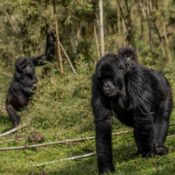
Gorilla trekking is one of the world’s most extraordinary wildlife experiences—an immersive journey deep into pristine forests where the last remaining mountain gorillas live freely in their natural habitat. Whether you’re traveling to Volcanoes National Park in Rwanda, Bwindi in Uganda, or Virunga in DRC, the adventure promises breathtaking encounters and unforgettable memories.
Here’s everything you need to know before you go.
1. Why Gorilla Trekking Is a Must-Experience Adventure
Gorilla trekking is more than a tour—it’s a life-changing moment. Standing face-to-face with a 200-kg silverback or watching playful juveniles swing through the trees places you in the heart of nature’s most intimate world.
What makes it unforgettable?
-
A chance to witness critically endangered gorillas in their natural habitat
-
Small group interactions—only 8 visitors per gorilla family
-
Guided treks through scenic volcanic landscapes
-
A deep, emotional connection with wildlife conservation efforts
This experience is nature at its most raw, powerful, and inspiring.
2. Best Time to Go
While gorilla trekking is possible all year, the dry seasons are the most ideal:
-
June to September
-
December to February
During these months, trails are less slippery and forest visibility is better, making the trek smoother and more enjoyable.
3. How Difficult Is the Trek?
Expect a moderate-to-challenging hike, depending on:
-
The gorilla family’s location
-
Terrain and altitude
-
Weather conditions
Trekking typically lasts 1 to 4 hours, but the reward is always worth the effort. Porters are available to assist, making the experience accessible even for travelers who prefer extra support.
4. Permit Requirements
Gorilla trekking permits must be booked in advance due to high demand and strict conservation measures.
The permit includes park entry, guides, rangers, and one magical hour with the gorillas.
5. What to Pack for the Trek
Pack smart for comfort and safety:
-
Hiking boots (waterproof preferred)
-
Long-sleeved shirts & pants
-
Rain jacket
-
Garden gloves (for holding onto vegetation)
-
Light backpack
-
Snacks & water
-
Camera (no flash allowed)
Dressing in neutral colors helps blend into the forest environment.
6. Safety & Trekking Rules
To protect the gorillas and ensure a safe encounter:
-
Maintain a 10-meter distance from the gorillas
-
No flash photography
-
Keep voices low at all times
-
Do not visit if you’re sick
-
Follow all ranger instructions
These guidelines ensure gorillas remain healthy and comfortable around visitors.
7. The Moment You Meet the Gorillas
The climax of the trek is emotional. You may see:
-
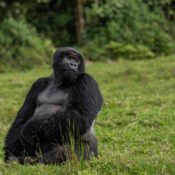
A silverback gently guarding his family
-
Mothers nursing their babies
-
Young gorillas playing, climbing, or tumbling through the undergrowth
Take in every second—your one hour goes by faster than you’ll expect.
8. Why Gorilla Trekking Supports Conservation
Your permit directly contributes to:
-
Gorilla protection and anti-poaching patrols
-
Community development around national parks
-
Ranger training and forest preservation
By trekking, you’re not just exploring—you’re actively supporting conservation and ensuring mountain gorillas continue to thrive.
9. Choose a Trusted Tour Operator
To enjoy a seamless experience, book with a reputable operator who provides:
-
Permit booking
-
Transport & accommodation
-
Packing guidance
-
Cultural tours or extensions (Golden Monkeys, canopy walk, Kigali city tour, etc.)
Your journey becomes smoother, safer, and more enriching.
Final Word: A Journey That Stays With You Forever
Gorilla trekking is a rare encounter that blends adventure, conservation, and emotion into one extraordinary moment. Whether you’re seeking inspiration, wildlife photography, or a once-in-a-lifetime experience, nothing compares to standing just meters away from the gentle giants of the forest.
Prepare well, trek responsibly, and let the magic of the gorillas transform your journey.

Recent Posts
Gorilla Trekking: What to Know Before You Go
The True Cost of Gorilla Tourism And Why It Matters