How Tourism Supports Gorilla Conservation in Rwanda & Uganda
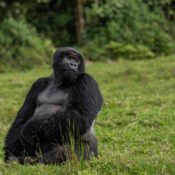
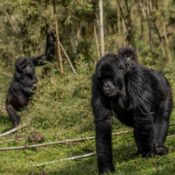
When travelers venture into the misty forests of Rwanda and Uganda to see mountain gorillas, they are doing more than witnessing one of the world’s most extraordinary wildlife experiences—they are actively contributing to conservation efforts that protect these endangered species for generations to come.
1. Gorilla Tourism Funds Conservation Programs
A large portion of the fees collected from gorilla trekking permits goes directly to national parks and conservation initiatives:
-
Rwanda: Gorilla trekking permits help fund the Volcanoes National Park authorities, anti-poaching patrols, and habitat preservation programs.
-
Uganda: Fees support Bwindi Impenetrable National Park and Mgahinga Gorilla National Park, contributing to ranger salaries, equipment, and community conservation projects.
This ensures that gorillas are protected, monitored, and able to thrive in their natural habitats.
2. Tourism Creates Economic Incentives for Local Communities
Local communities play a critical role in gorilla conservation. Tourism provides employment opportunities and economic benefits, motivating locals to protect rather than harm wildlife:
-
Villagers are employed as guides, porters, trackers, and hospitality staff.
-
Community development projects, funded by tourism revenue, improve schools, healthcare, and infrastructure.
-
Income from tourism reduces illegal activities such as poaching or deforestation, creating a sustainable human-wildlife coexistence.
3. Anti-Poaching and Habitat Protection
High tourism demand justifies the investment in anti-poaching measures:
-
Park rangers, funded by tourism, patrol forests to protect gorillas from poachers and human encroachment.
-
Conservation projects maintain and restore gorilla habitats, ensuring forests remain healthy ecosystems.
-
Tracking gorillas and monitoring their health allows researchers to prevent disease outbreaks and protect endangered populations.
4. Raising Global Awareness
Tourists become ambassadors for conservation:
-
Visiting gorillas fosters a deeper understanding of the threats they face, from habitat loss to climate change.
-
Visitors often share their experiences on social media, spreading awareness and inspiring others to support conservation initiatives.
-
Eco-conscious travel encourages responsible tourism practices that benefit wildlife and local communities alike.
5. Sustainable Tourism: A Win-Win for People and Wildlife
By choosing responsible gorilla trekking tours, travelers contribute to a cycle of protection and empowerment:
-
Gorillas remain safe in their natural habitats.
-
Communities thrive economically, reducing dependence on harmful practices.
-
Tourism revenue funds research, habitat preservation, and community development.
In short, every gorilla trek is more than an adventure—it’s a commitment to conservation. Visitors leave with unforgettable memories while ensuring that these gentle giants continue to roam the forests of Rwanda and Uganda for generations to come.